
A Conversation in Light: Reflections on Light Identity at Ho Chi Minh City University of Technology and Education
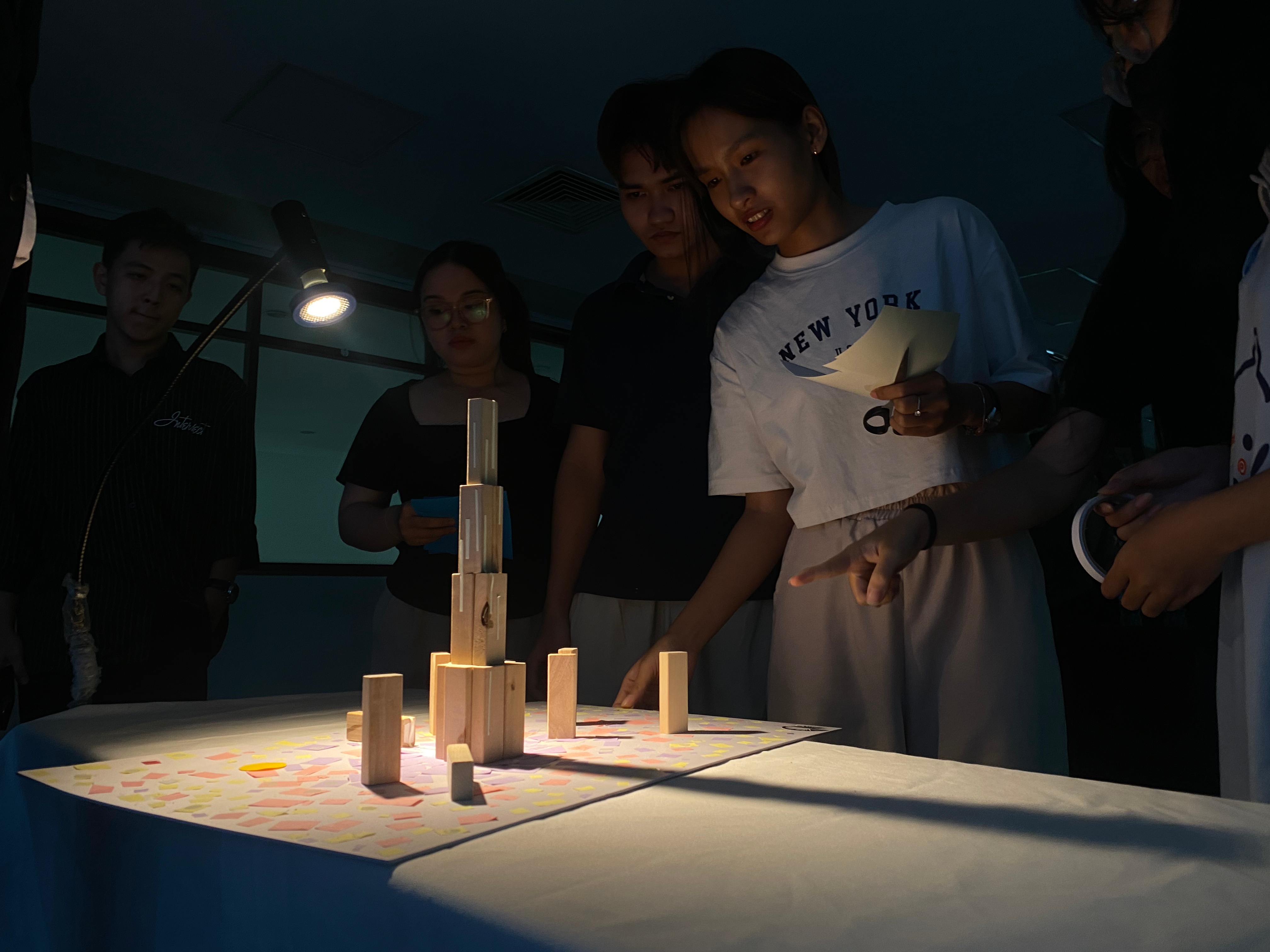
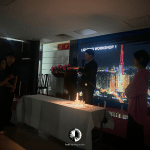
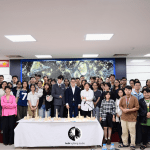
Earlier this month, kobi lighting studio had the honour of being invited by the University of Technology and Education in Ho Chi Minh City to deliver a lecture and lead two workshops exploring the concept of light identity and its role in shaping inclusive, expressive urban environments. The experience was deeply rewarding, an opportunity to engage with bright, thoughtful students and open a shared reflection on how light communicates meaning in the built world.
Exploring the Foundations of Light
Our lecture opened with the foundations of light, its atomic nature, how it behaves, and how it enables us not only to see, but to feel and interpret space. From these basics, we moved into the broader question of light identity: how lighting can express character, evoke emotion, and reveal cultural context. Cities by night also express identities. Their light identity becomes their public voice.
Light as Inclusion and Control
We also addressed the more difficult aspects of lighting design, particularly its use in hostile architecture. Too often, light is used to exclude, to police behaviour, prevent rest, or deter presence. Blue tones to discourage drug use, overlit benches to prevent sleep, harsh glare that disrupts rather than welcomes. These practices may not be noticed at first glance, but they shape urban experience profoundly. We urged students to consider the ethics of light, to ask not only what light does, but for what purpose, and to whom.
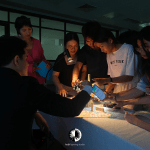
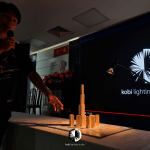
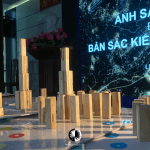
Workshop 1: Rethinking Landmark 81 Through Light Identity
The workshops that followed put these ideas into practice.
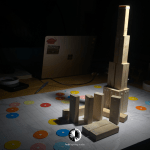
In the first, students were asked to rethink the lighting of Landmark 81 and its immediate surroundings through the lens of light identity. How might this iconic tower reflect not just power or height, but memory, context, and belonging? The students proposed designs that moved away from spectacle and towards resonance, where façade and city meet through meaningful light.
Workshop 2: Mapping Saigon’s Night Identity
The second workshop was a collective reimagining of the city itself. Using nighttime photographs of Ho Chi Minh City neighbourhoods, students renamed these areas based on what the lighting conveyed. This collaborative exercise highlighted the many forms of light identity present across the city, a patchwork of impressions, atmospheres, and lived experiences. It reminded us that identity does not reside only in monuments, but in the ordinary glow of daily life.
The Responsibility of Designers
Throughout the day, a deeper question persisted: What is our responsibility as lighting designers? The answer, we believe, lies in recognising that light identity is not only about aesthetics or efficiency, it is about people. It is about creating spaces that include rather than exclude, that celebrate complexity rather than erase it.

Gratitude and Reflection
We are sincerely grateful to the University of Technology and Education for welcoming us so generously, and to the students for their insight, creativity, and care. The conversation on light identity is not a technical one alone, it is cultural, social, and deeply human. And we are proud to have shared it, even briefly, in Ho Chi Minh City.
In every project, we are reminded: light can reveal or conceal, include or alienate. In shaping light identity, we are shaping existence itself. We must choose wisely.
#eduforlight