
The “Rights to Light” of The Moon

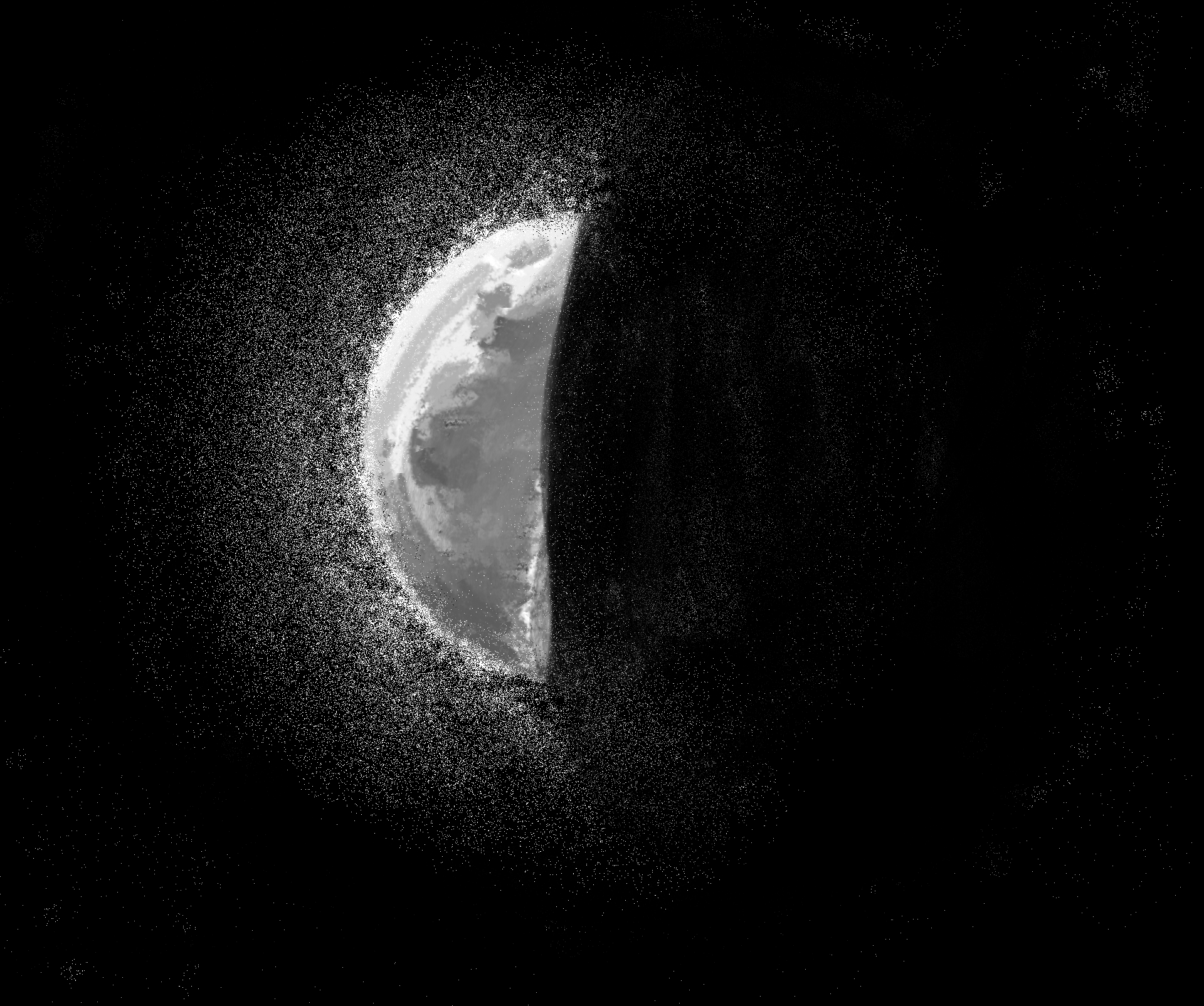
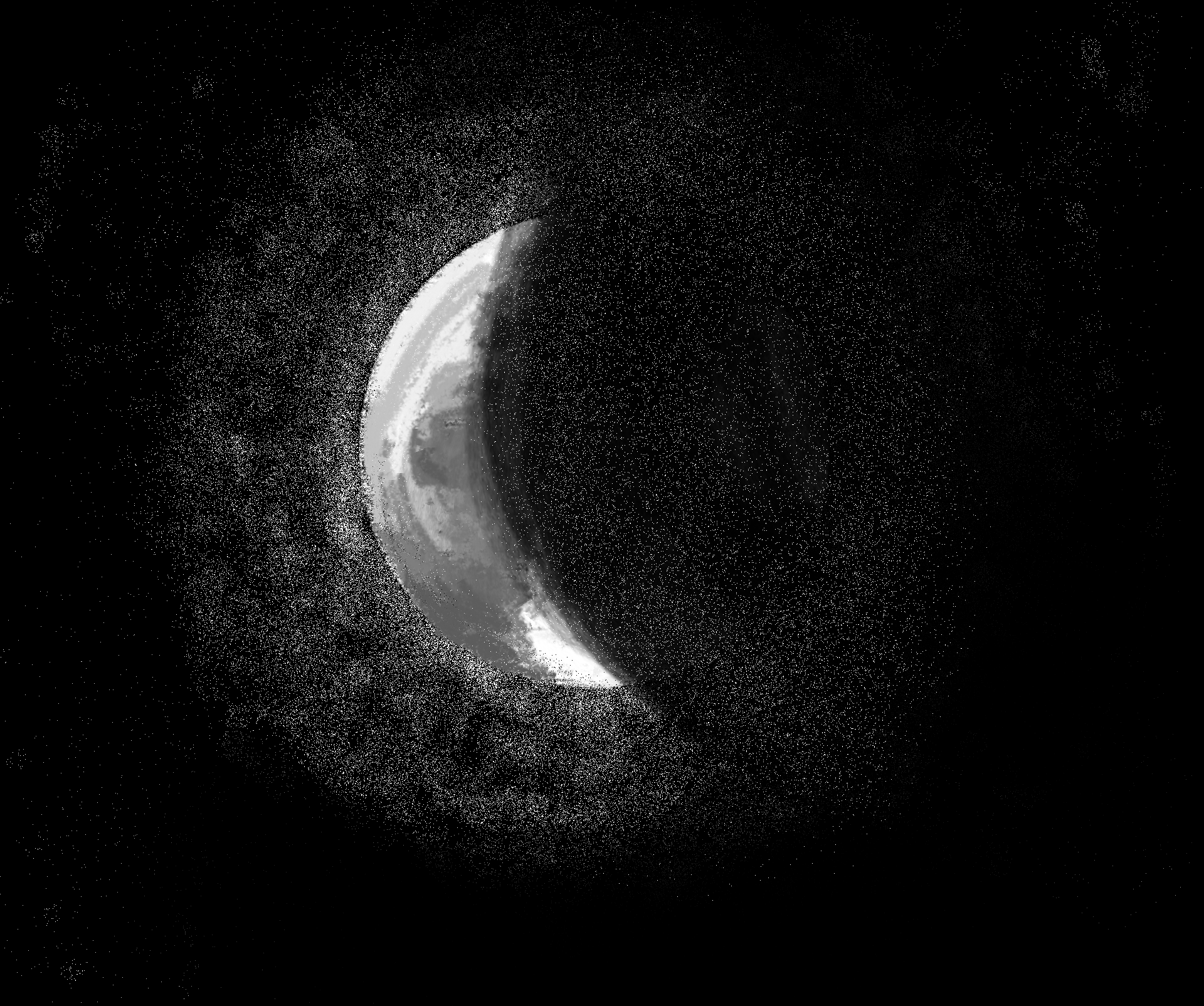
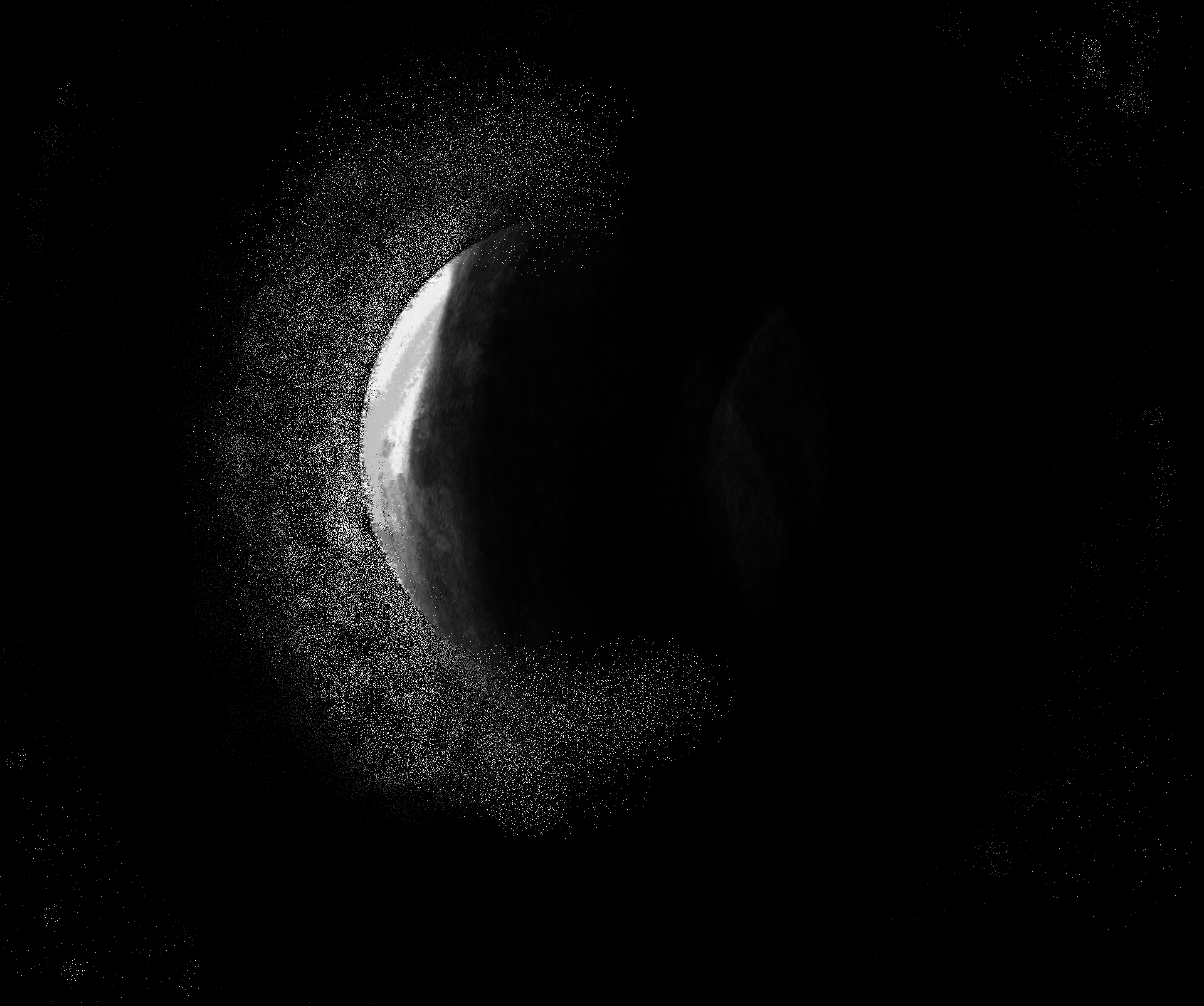
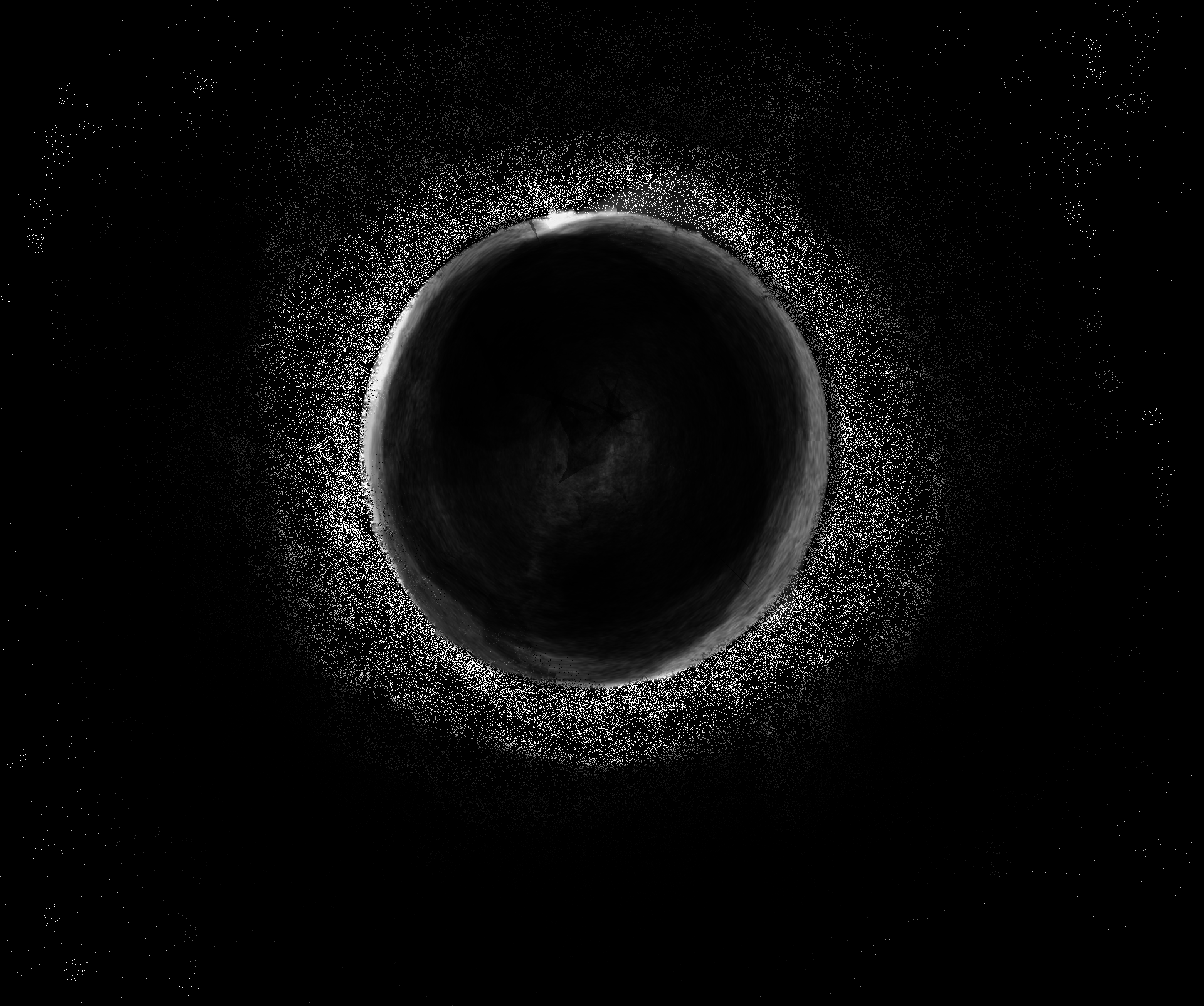

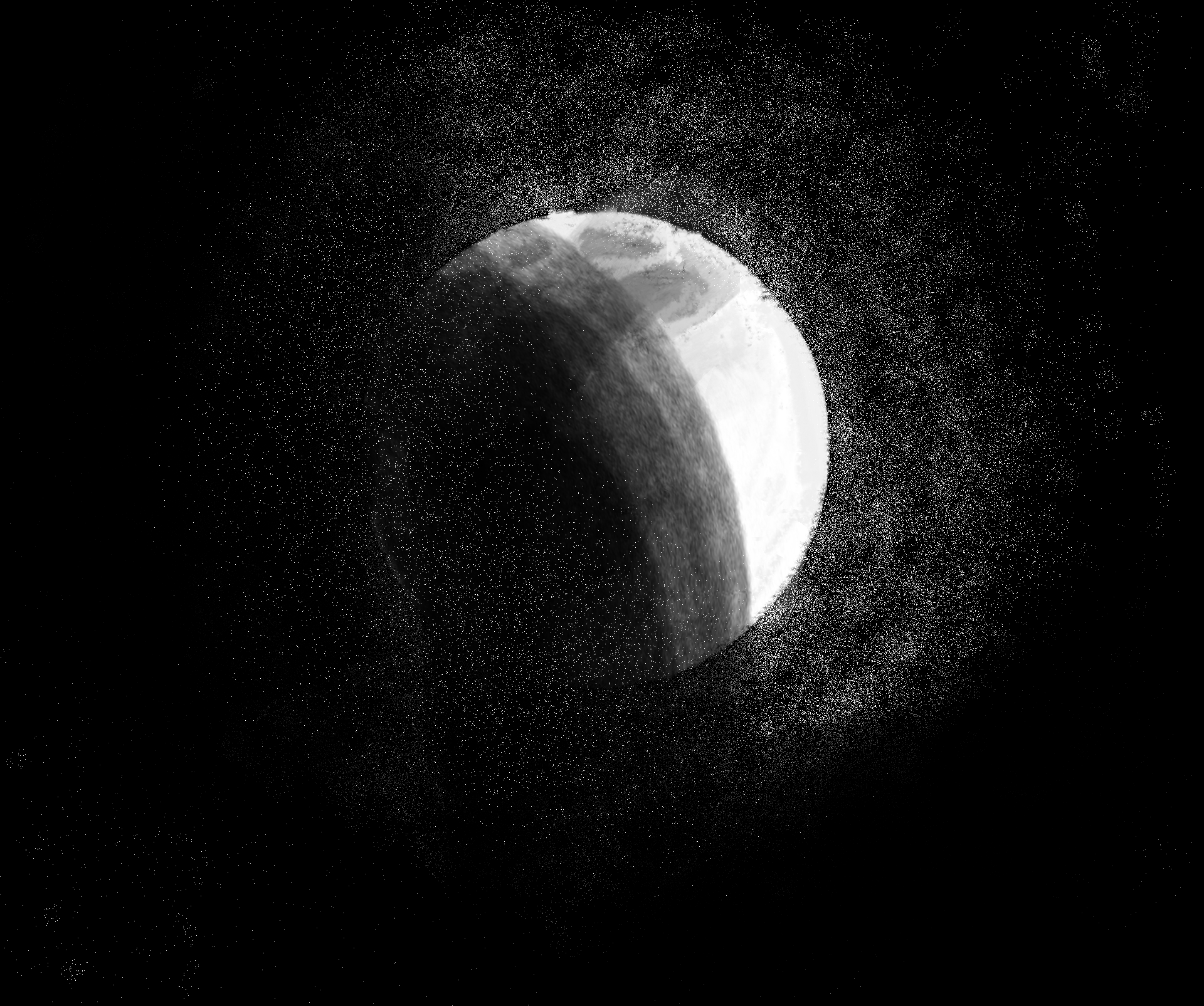
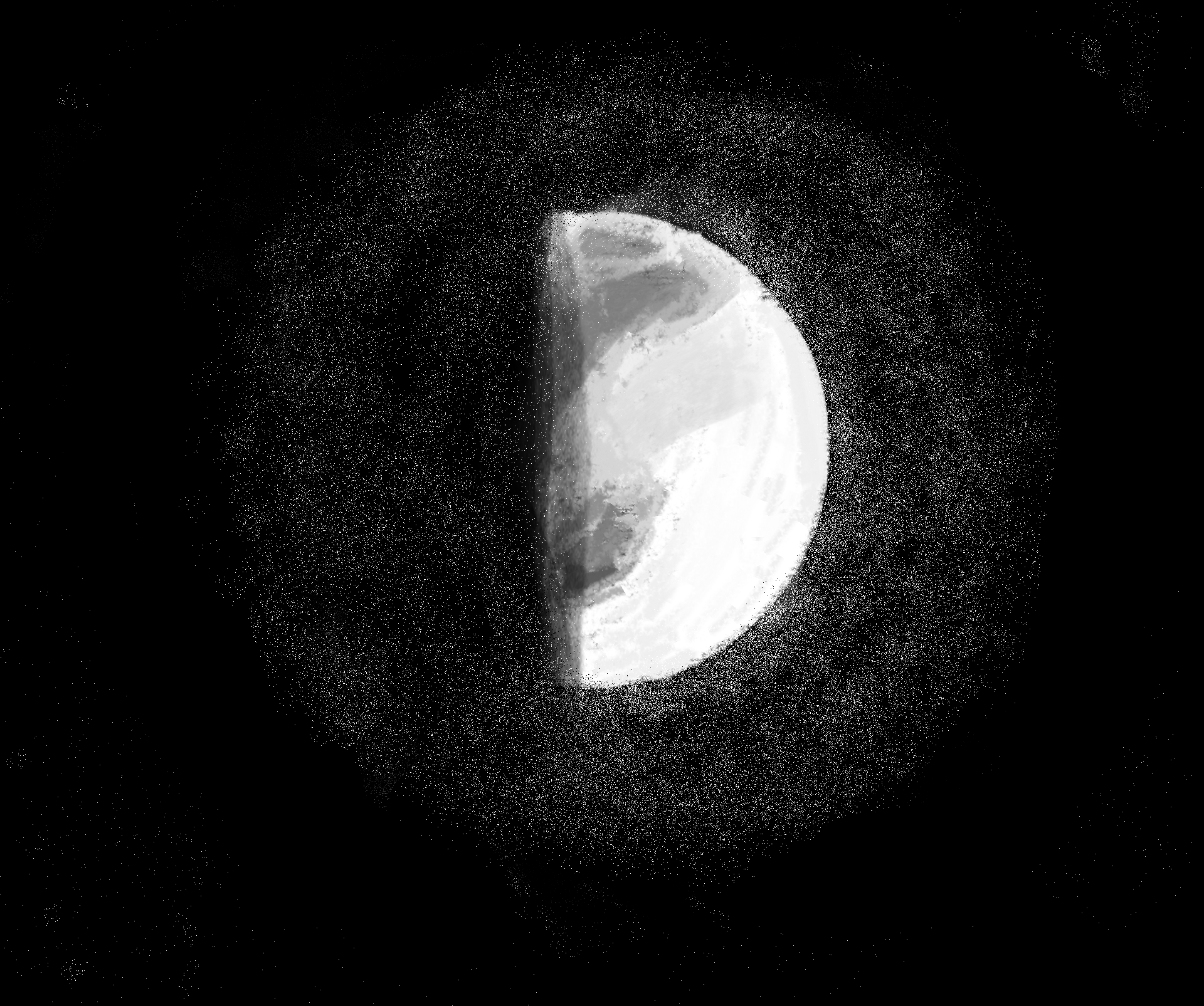
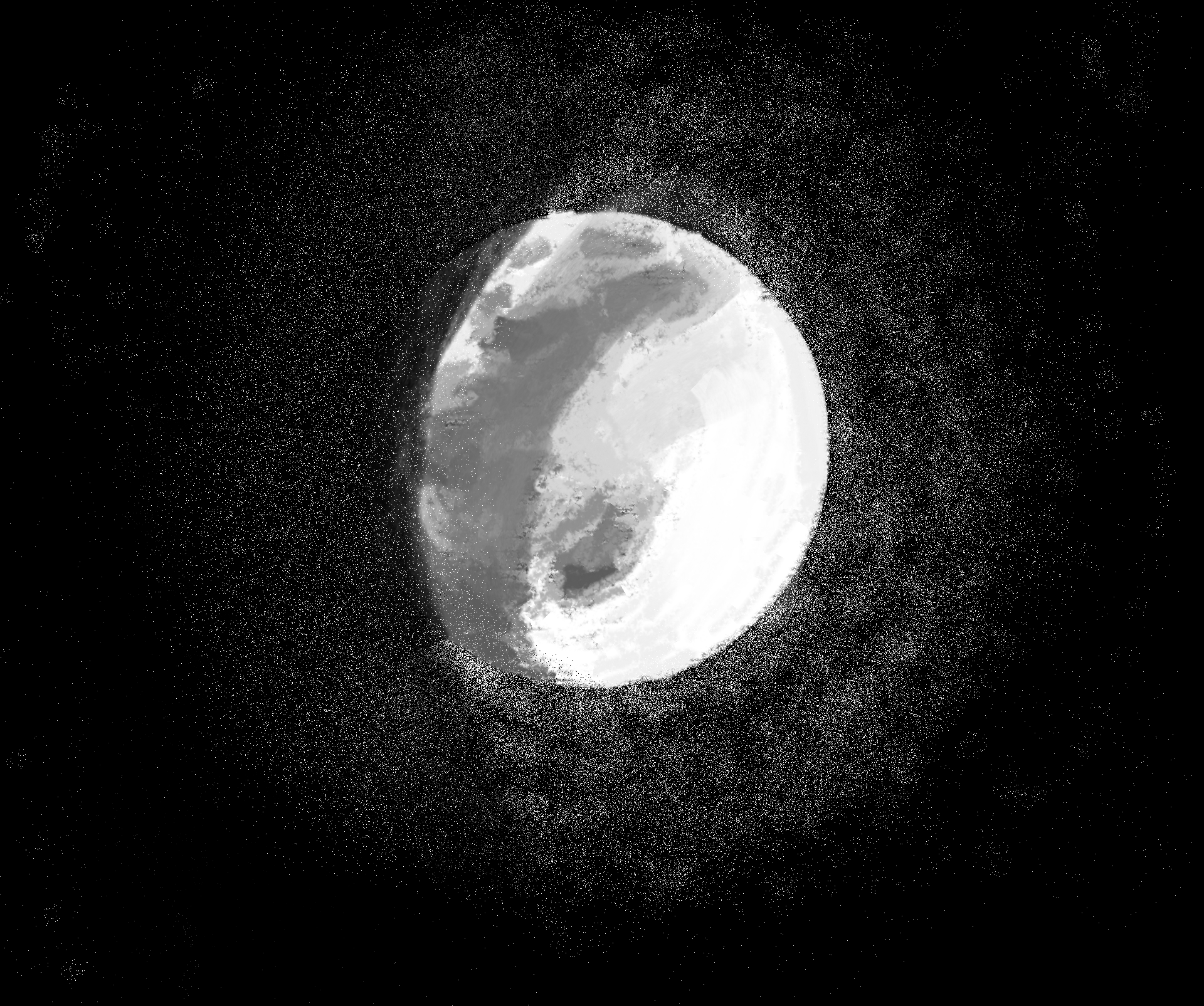
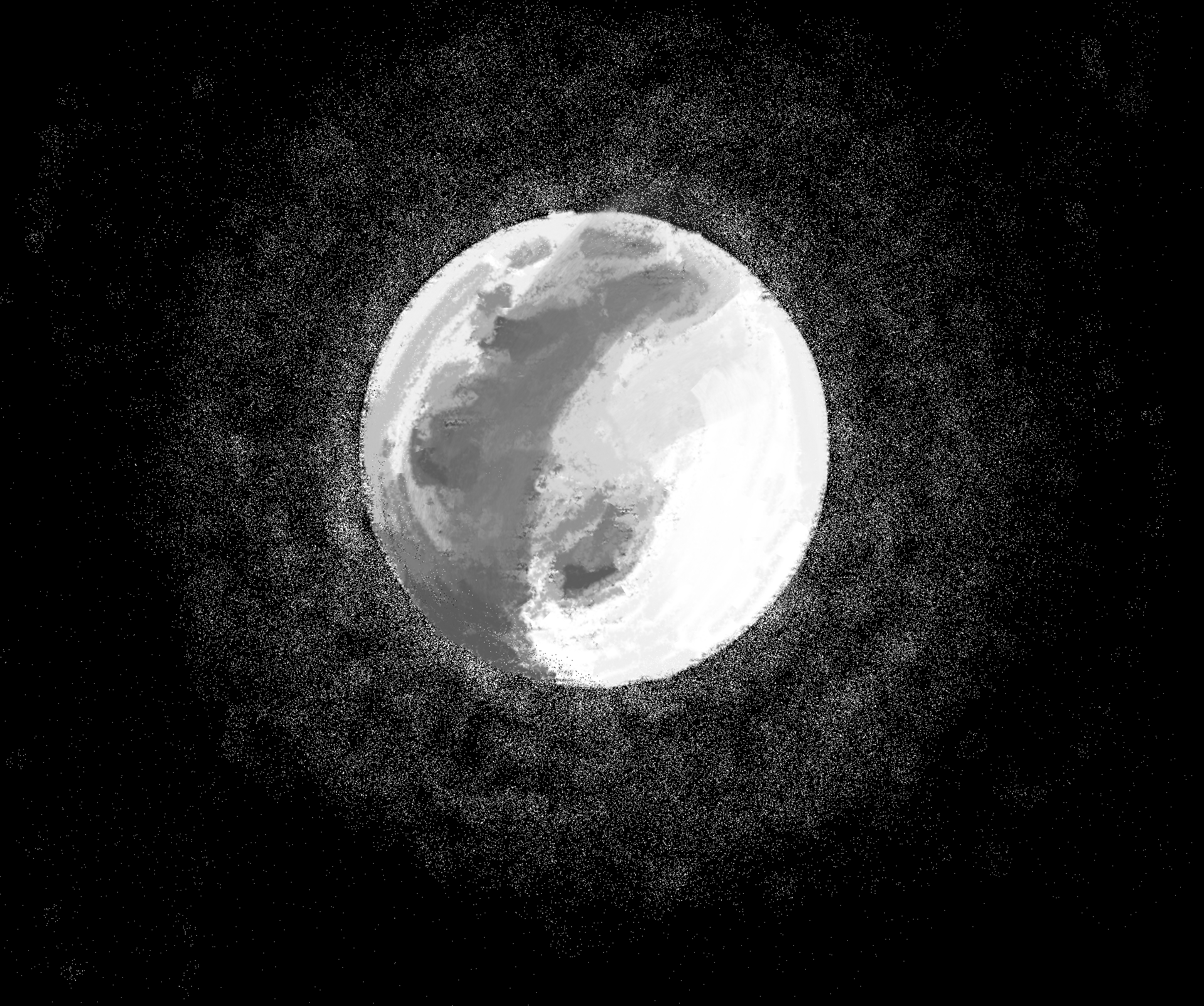
Defending the Moon’s Right to Light: A Call for Celestial Conservation
In an age where environmental awareness has rightfully extended to our forests, rivers, flora, and fauna, the time has come to expand this stewardship beyond Earth. The concept of nature having rights is gaining momentum, with legal frameworks gradually being adopted to safeguard the environment. Yet, we often overlook one of the most ancient, reliable, and subtly influential elements of our natural world: the Moon.
The Moon, though not a source of light itself, has for hundreds of millennia reflected the Sun’s rays to illuminate our nights. It governs the Earth’s tides, anchors our natural cycles, and offers a luminous presence that humans, animals, and plants have evolved in harmony with. But this radiant satellite so central to the rhythms of life is now under threat from artificial encroachment.
The Ecological Role of Moonlight
After millennia of coevolution, it is no surprise that countless species rely on Moonlight to regulate their biological rhythms. Fauna such as sea turtles, moths, and wolves rely on it for reproduction, migration, and navigation. Flora, too, respond to the Moon’s glow: certain species bloom only under specific lunar phases, releasing scent to attract nocturnal pollinators.
Humans are no exception. For tens of thousands of years, our sleep cycles, hormonal patterns, and cultural expressions have been profoundly shaped by the Moon. From ancient navigators charting their way by its phases, to poets inspired by its presence, to scientists harnessing its light for astronomical observation, our dependence is as practical as it is poetic.
A Growing Threat: Artificial Light Pollution
However, this relationship is being tested. The sudden surge in artificial lighting: urban sprawl, streetlamps, illuminated billboards to name a few, has resulted in a phenomenon known as light pollution. In many regions, true darkness is becoming a rarity. Full-moon conditions are unnaturally extended, disorienting species adapted to lunar cues. Nocturnal wildlife is increasingly unable to forage, reproduce, or migrate as they once did. Even humans are facing disruptions in circadian health due to exposure to intense nighttime lighting.
Adding to this disruption is the proliferation of human-made celestial objects. The night sky is increasingly cluttered by reflective satellites and the looming possibility of space-based advertising. These developments threaten to permanently alter the quality and clarity of Moonlight visible from Earth. Further still, the rise of lunar exploitation such as space mining ventures, planned lunar colonies, and other commercial ambitions, risks transforming the Moon into an industrial outpost, rather than preserving its pristine natural character.
Toward Lunar Legal Protections
Currently, lunar law prioritises political and economic interests. The 1979 Moon Treaty, while a step in the right direction, has seen limited adoption and enforcement. Few mechanisms exist to preserve the Moon’s natural light or to protect it from visual pollution and industrial degradation.
It is time to advocate for a “Right to Moonlight”: a recognition of the Moon’s intrinsic value not only as a celestial body, but as a crucial environmental and cultural constant. This right should encompass the preservation of its visible light, its role in natural ecosystems, and its significance in human heritage.
A Call to Action
We must act before this gentle beacon of the night is irreparably dimmed. Legal frameworks should be developed to limit orbital clutter, regulate artificial lighting, and prevent excessive commercial exploitation. International cooperation, public awareness, and scientific advocacy must converge to secure protections that ensure the Moon continues to cast its ancient glow for generations to come.
Let us honour the Moon not merely as a satellite, but as a sovereign element of nature deserving of protection. The right to Moonlight is a right to balance, to beauty, and to the enduring rhythms of the cosmos.
References:
Artificial Light Alters Natural Regimes of Night-Time Sky Brightness | Scientific Reports. https://www.nature.com/articles/srep01722. Accessed 31 Mar. 2025.
“Common Heritage of Humanity.” Wikipedia, 30 Nov. 2024. Wikipedia, https://en.wikipedia.org/w/index.php?title=Common_heritage_of_humanity&oldid=1260375857.
Declaration of the Rights of the Moon – Australian Earth Laws Alliance. https://www.earthlaws.org.au/moon-declaration/. Accessed 31 Mar. 2025.
How Does the Moon Affect Life on Earth? | Natural History Museum. https://www.nhm.ac.uk/discover/how-does-the-moon-affect-life-on-earth.html. Accessed 31 Mar. 2025.
“Infographic: The Countries That Signed the Moon Treaty.” Statista Daily Data, 23 Aug. 2023, https://www.statista.com/chart/18738/countries-that-are-signatories-or-parties-to-the-1979-moon-treaty.
Kronfeld-Schor, Noga, et al. “Chronobiology by Moonlight.” Proceedings of the Royal Society B: Biological Sciences, vol. 280, no. 1765, Aug. 2013, p. 20123088. royalsocietypublishing.org (Atypon), https://doi.org/10.1098/rspb.2012.3088.
Laser Beams Reflected Between Earth and Moon Boost Science – NASA. 10 Aug. 2020, https://www.nasa.gov/missions/laser-beams-reflected-between-earth-and-moon-boost-science/.
Lee, Andrew. “The Future of the Law on the Moon.” Journal of Air Law and Commerce, vol. 88, no. 1, Jan. 2023, p. 3. COinS, https://doi.org/10.25172/jalc.88.1.2.
“Moon Agreement | Moon Law | Space Treaties.” Law On Mars, https://www.lawonmars.com/moon-agreement. Accessed 31 Mar. 2025.
“Moon Treaty.” Wikipedia, 23 Mar. 2025. Wikipedia, https://en.wikipedia.org/w/index.php?title=Moon_Treaty&oldid=1281919779.
Moonlight – NASA Science. https://science.nasa.gov/moon/moonlight/. Accessed 31 Mar. 2025.
Moonlight Is Perceived as a Signal Promoting Genome Reorganization, Changes in Protein and Metabolite Profiles and Plant Growth. https://www.mdpi.com/2223-7747/12/5/1121. Accessed 31 Mar. 2025.
NASA Uses Moonlight to Improve Satellite Accuracy – NASA. https://www.nasa.gov/centers-and-facilities/armstrong/nasa-uses-moonlight-to-improve-satellite-accuracy/. Accessed 31 Mar. 2025.
(PDF) The Lunar Cycle: Effects on Human and Animal Behavior and Physiology. https://www.researchgate.net/publication/7363953_The_lunar_cycle_Effects_on_human_and_animal_behavior_and_physiology. Accessed 31 Mar. 2025.
Tides – NASA Science. https://science.nasa.gov/moon/tides/. Accessed 31 Mar. 2025.
United Nations Office for Outer Space Affairs. International Space Law: United Nations Instruments. United Nations, 2018. DOI.org (Crossref), https://doi.org/10.18356/014c0e55-en.